CIRCA Cycles | High-end aluminum & structural bonding
Portland, Oregon, United States · 3 people · Aluminum bicycle manufacturing
Visit: September 28, 2024 · Contact: Rich Fox

Context & positioning
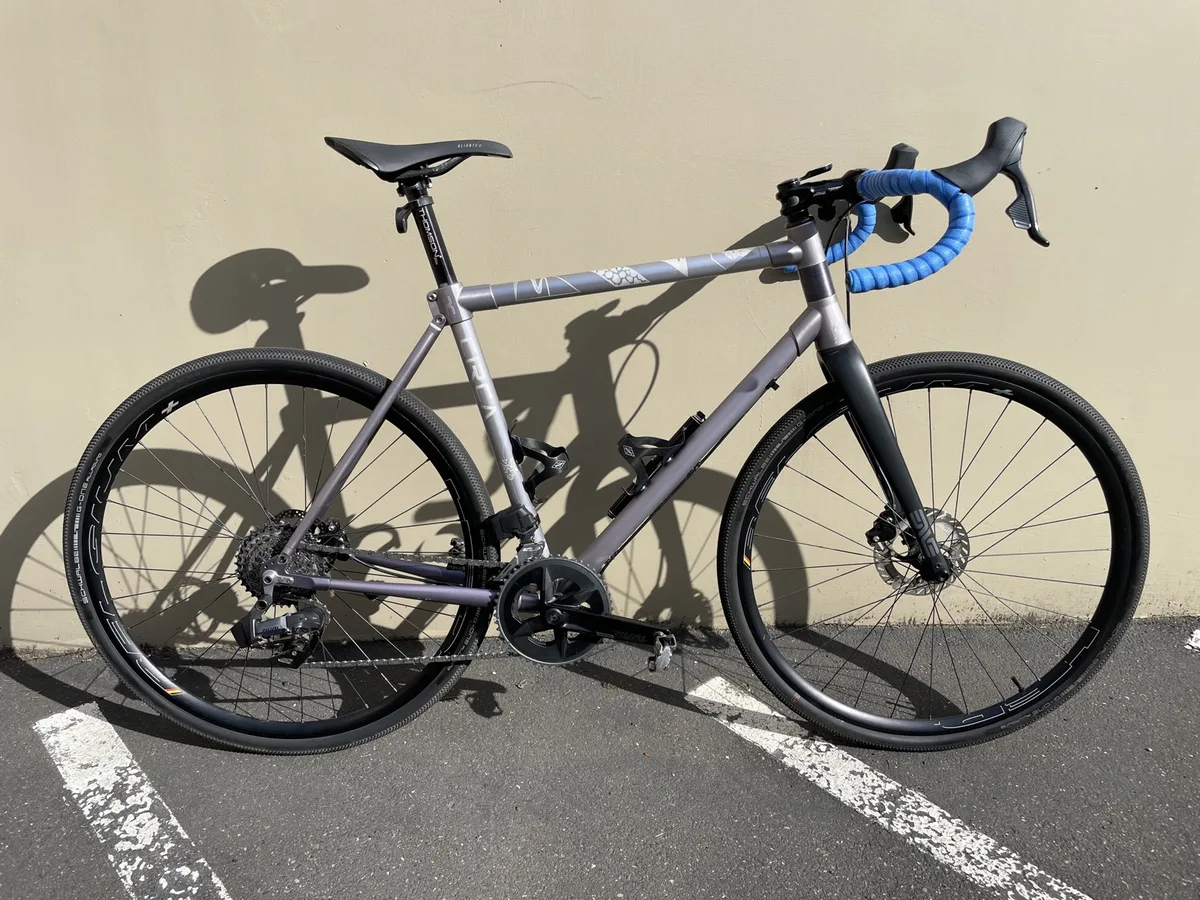
CIRCA Cycles is an artisan manufacturer based in Portland, founded in 2013 by Rich Fox, an engineer-designer who previously worked at Nike. The brand produces fully customized aluminum bicycles (size, components, markings) sold at around 6 000 €. A 3-person structure (Rich + 2 freelancers), operating in pure pull flow.
Production flow
Customer order → Design & components → Aluminum tube cutting → Anodizing → Laser engraving → Bonding / CNC JIG → Assembly → Delivery
Workshop organization
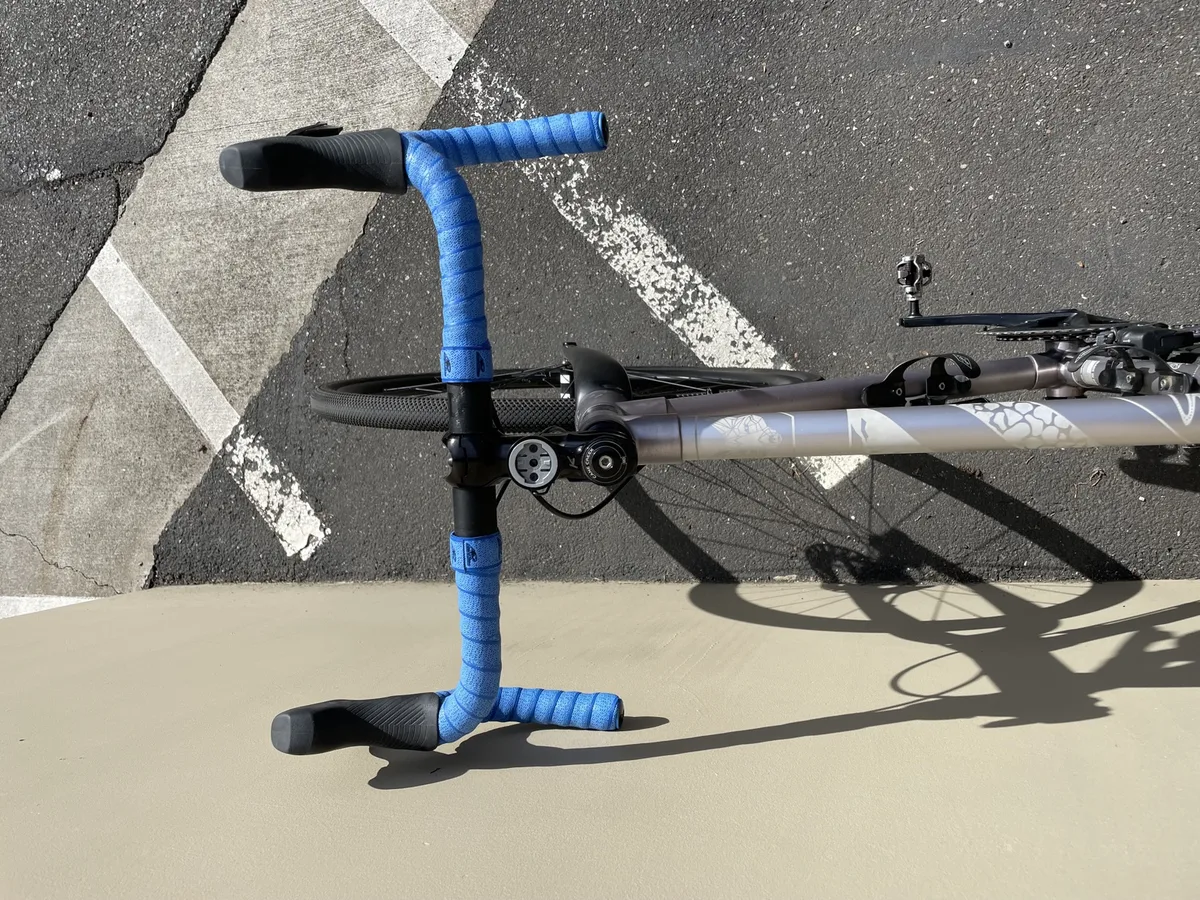
Compact workshop. Rich Fox is simultaneously designer, coordinator and operator. CNC-machined JIGs ensure geometric precision. Assembly through structural bonding (no welding) reduces equipment investment and eliminates thermal risks on aluminum. Laser engraving on a rotating roller enables continuous ornamentation on the tubes.
Production management analysis
Pure pull flow model: zero production without an order, zero finished goods inventory. Component sourcing in small quantities through a premium supplier network (Paul Component, etc.). Lead times controlled through complete mastery of the value chain. Strong individual dependency (Rich Fox) = main operational risk.
Strengths
- Strong differentiation through total customization and “made in Portland”
- Anodizing + laser engraving: distinctive finish without paint (increased durability)
- Maximum flexibility: each bike is unique, direct client-manufacturer relationship
- Established premium supplier network (Paul Component, etc.)
Areas for improvement
- Weak marketing presence for a premium brand (no events, low-impact website)
- Too many options: partially standardize combinations to reduce complexity
- Fixed JIGs → re-adjustment for each bike: switch to parametric JIGs
- Strong operational dependency on a single person (continuity risk)
Key takeaway
Total customization is a powerful competitive advantage, but it must rely on partial standardization (components, jigs) to remain economically viable at small scale. Precision craftsmanship can coexist with industrial rigor.