12 countries
Countries & Ecosystems
Comparative analysis of cycling cultures, cycling infrastructure and industrial ecosystems observed.
United States
Oregon, Washington, California
Cycling culture
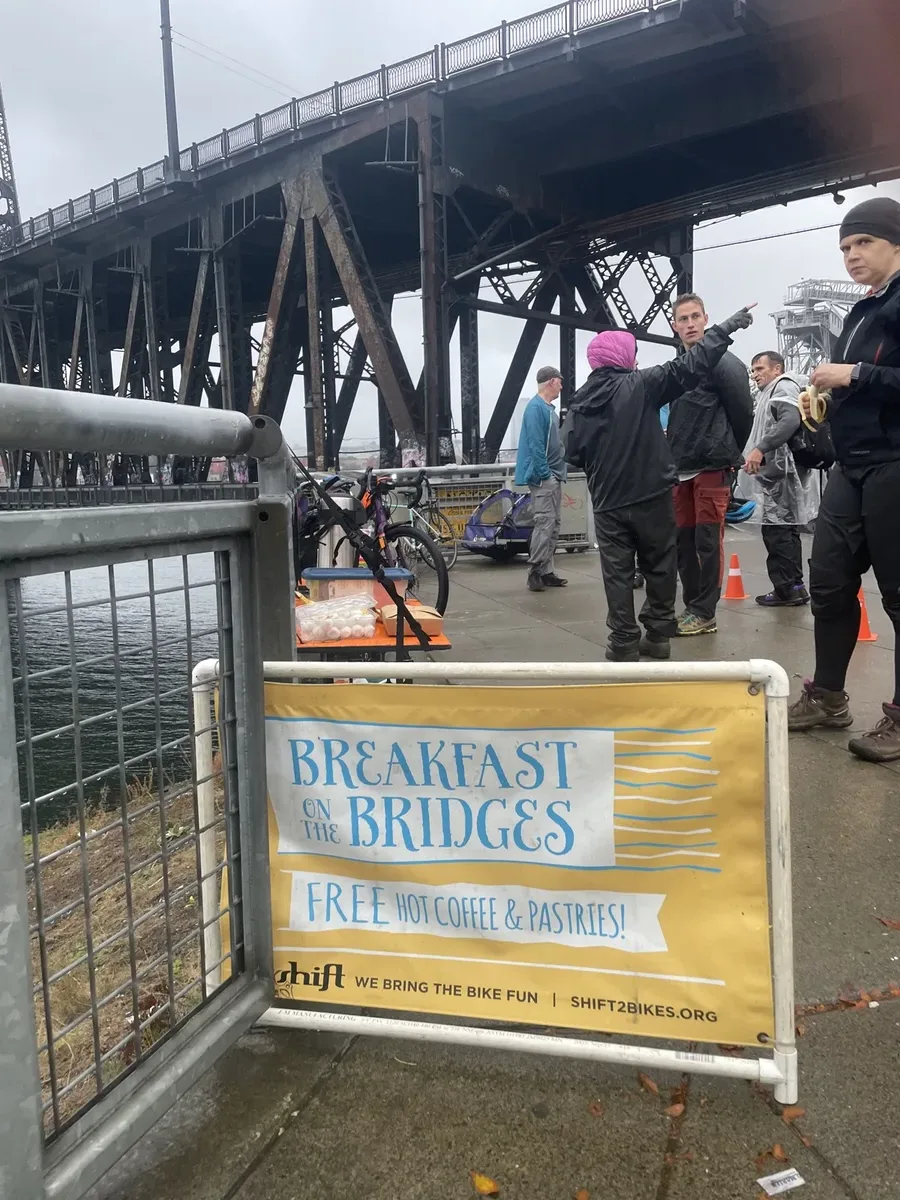
Portland is the American cycling capital, with a great diversity of bikes where high-end dominates. Customization is omnipresent (lights, stickers, accessories) and the community, deeply engaged, organizes numerous events. E-bikes remain rare in daily use, mainly reserved for seniors. Theft is a major problem: very few bikes are left outside. Among local brands, Shower Pass (waterproof clothing designed in Portland) is a must. In the city and suburbs, many workshops and factories can be found, such as Chris King for example.
Infrastructure
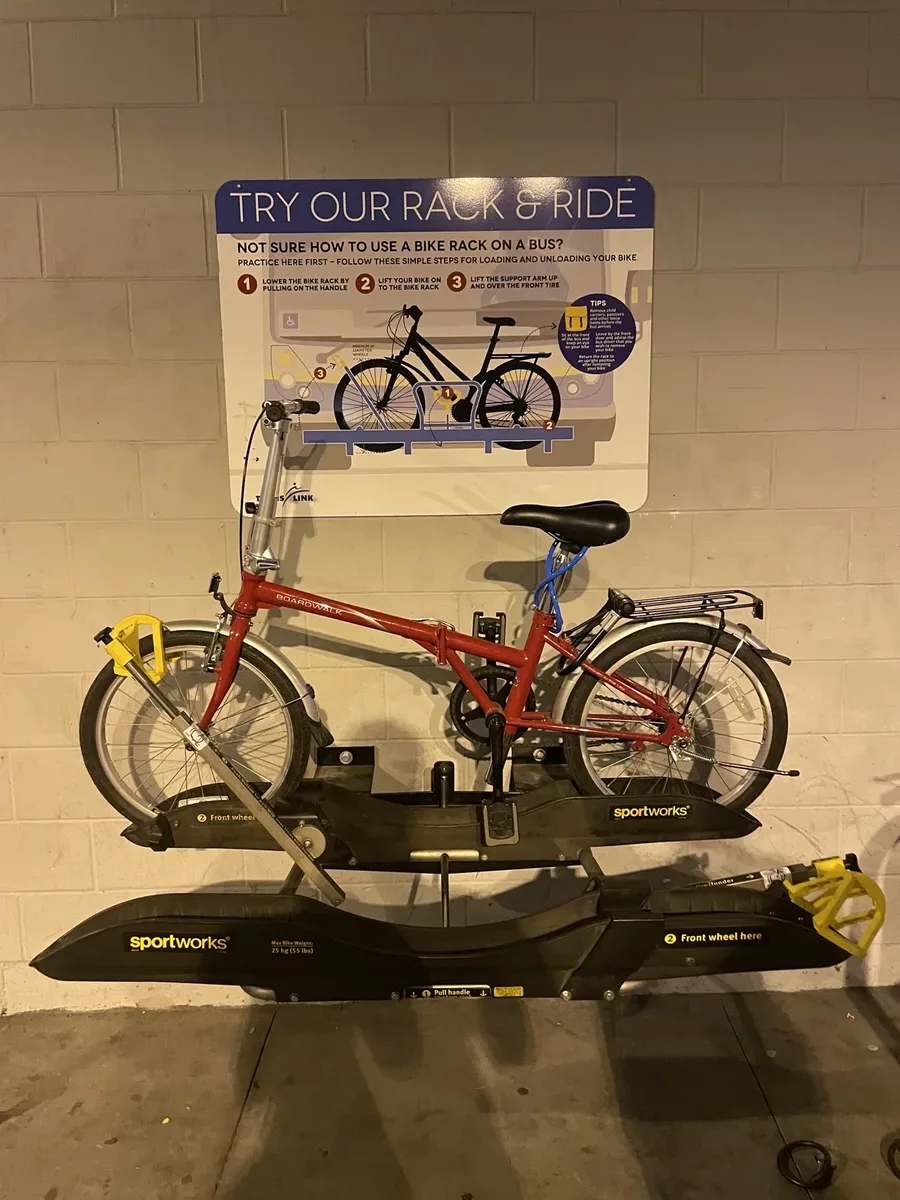
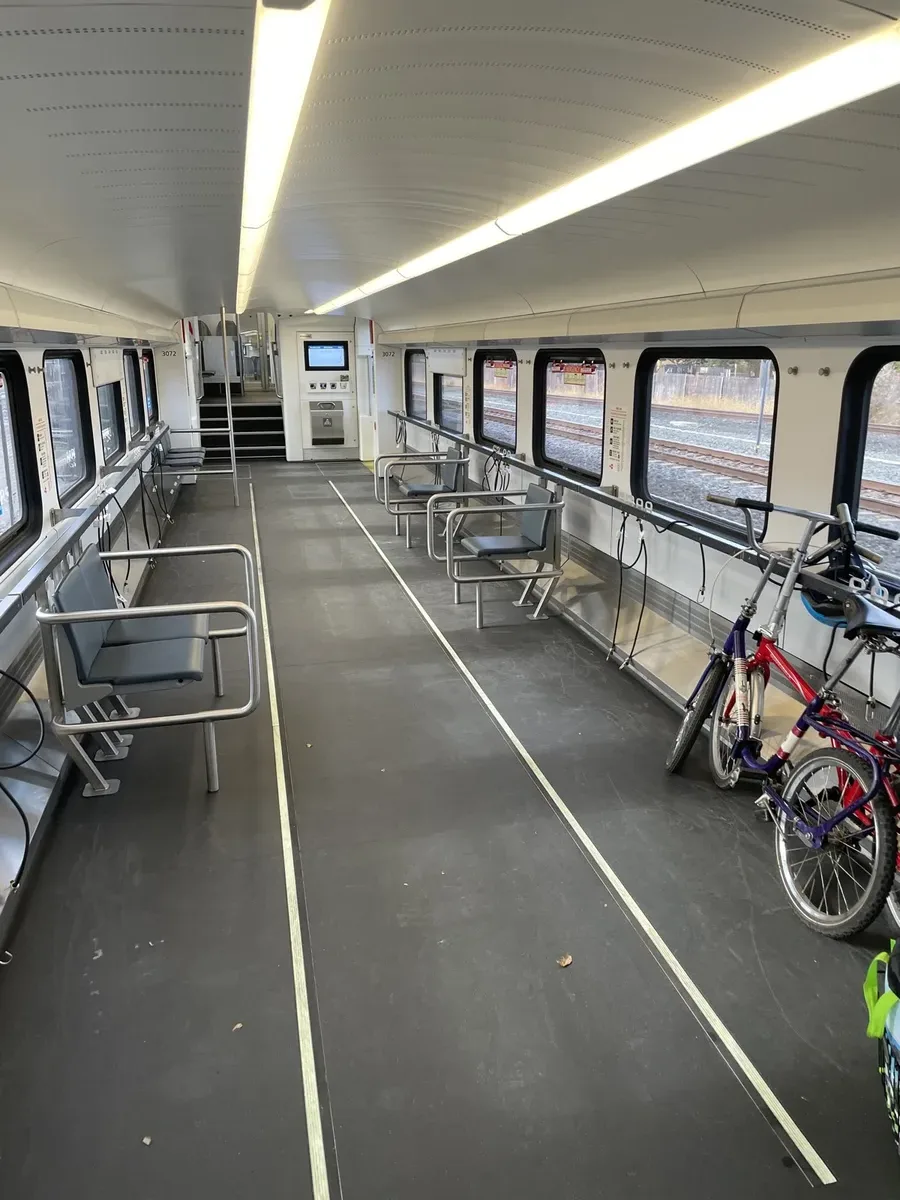
Motorists are generally very respectful of cyclists. Bus integration (front rack) and tram is easy with a bike. The situation varies greatly from one city to another.
- Portland: highly developed cycling network, dedicated lanes, bike-priority streets, trails specially reserved for bikes
- Eugene: human-sized city, well suited for daily cycling
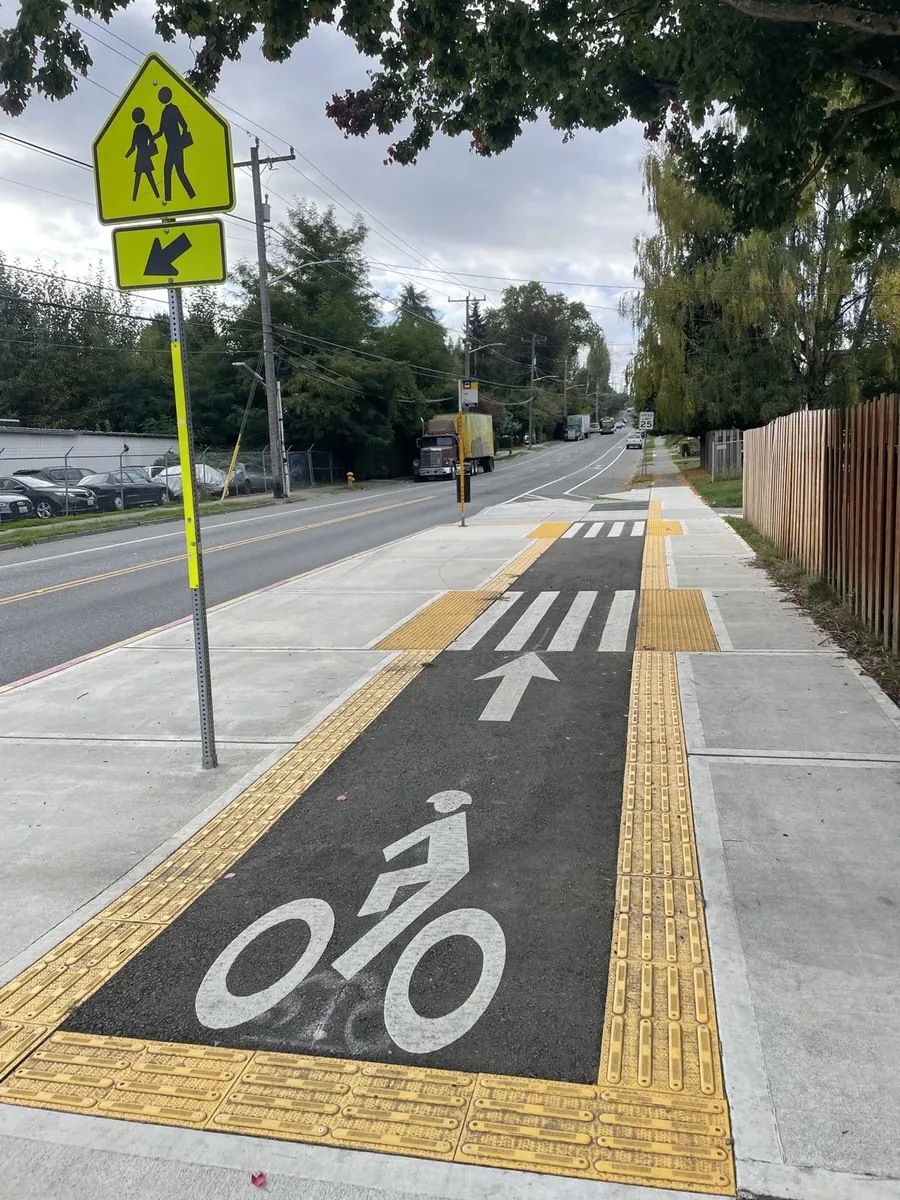
- Seattle: terrain and size make the city less bikeable, but lanes are well marked (colors and speed bumps)
- San Francisco: 100% electric bike-share, excellent coastal trail
- Los Angeles: too sprawling for daily cycling, good network of cycling lanes and bike-share along the beaches
Local industry
Portland and Eugene concentrate industrial clusters of frame builders and component manufacturers. "Made in USA" is a strong commercial argument against Asian competition. Production runs 100% on order, with virtually zero inventory. The professionals we met showed great openness in sharing their processes and know-how.
Comparative analysis
Cycling in the United States is far more developed than the image we have from France. The variability between cities is strong: Portland, Los Angeles and Seattle offer radically different realities. The absence of mandatory certification gives manufacturers a freedom of innovation less common in Europe, and the speed of new product releases is therefore much faster.
Key takeaway: Oregon, and Portland in particular, demonstrates that a strong cycling culture is built through infrastructure, community and practical use, not just public policy. Artisan manufacturers thrive in this ecosystem.
Industrial ecosystem & connections
The facilities visited in the United States are not isolated. Some share supplier–customer links or a common industrial ecosystem.
Eugene Bicycle Cluster
Three artisan bicycle manufacturers within 5 km of each other in Eugene, Oregon. This unique industrial ecosystem fosters the sharing of expertise, suppliers and skilled labor — a concrete example of a Marshallian industrial district at micro scale.
Supplies hand-built premium wheelsets for tandems and touring bikes
Supplies lightweight wheels adapted for 20-inch folding format
Share the same titanium and steel supplier ecosystem in Eugene
California — Components & subcontracting
White Industries (Petaluma) and Paragon Machine Works (Richmond) form a CNC competence hub in Northern California. Reference suppliers for American artisan frame builders.
Other visited facilities
Supplies machined parts (dropouts, cable guides) for artisan frame builders like CIRCA
Canada
Vancouver (B.C.)
Cycling culture
Vancouver shows a good presence of e-bikes, gravel and road bikes. As in Portland, few bikes are parked on the street. Bike-share is limited to the city center and the condition of the bikes is often degraded.
Infrastructure
Cycling lanes are present but sometimes one-directional. The city has bike-priority streets and bike integration in public transit is facilitated.
Key takeaway: Vancouver offers good baseline infrastructure but bike-share maintenance is lacking. Bike-share systems require rigorous operational management to remain attractive.
Colombia
Cycling culture
Cycling is historically a national sport in Colombia, carried by international champions. The dominant disciplines are road (mountains) and MTB, with gravel emerging. In small towns, cycling is a common mode of transport. In big cities, use is split between sport and commuting. On the equipment side, sport bikes are high-end while daily bikes are often improvised single speeds or small bikes for heavy goods delivery.
Infrastructure
Big cities have cycling lanes in the middle of streets (Bogotá/São Paulo model). The Bogotá Ciclovía, with its Sunday road closures, has had a global impact on urban cycling. Small roadside repair shops can be found in cities, as well as cycling tourism activities (city tours, mountain descents).
Local industry
The country has numerous local factories for bikes, equipment and clothing. Among the brands observed: Poseidón, On Trail, Urban, GW and Merida. Shops mainly offer products of US origin, in a format similar to Europe. Scarab Cycles, based in Antioquia, is the subject of a dedicated case study.
Comparative analysis
The contrast between cities (developed infrastructure) and countryside (naturally integrated cycling) is striking. The local repair culture, with roadside workshops, is an effective proximity model. High-end sport cycling and utility cycling coexist without really connecting.
Key takeaway: Colombia illustrates how a deep cycling tradition (former national sport) can coexist with very pragmatic bike use (local transport). The Bogotá and Medellín Ciclovía remains one of the world's most cited examples of bike-friendly urbanism.
Brazil
São Paulo
Observations
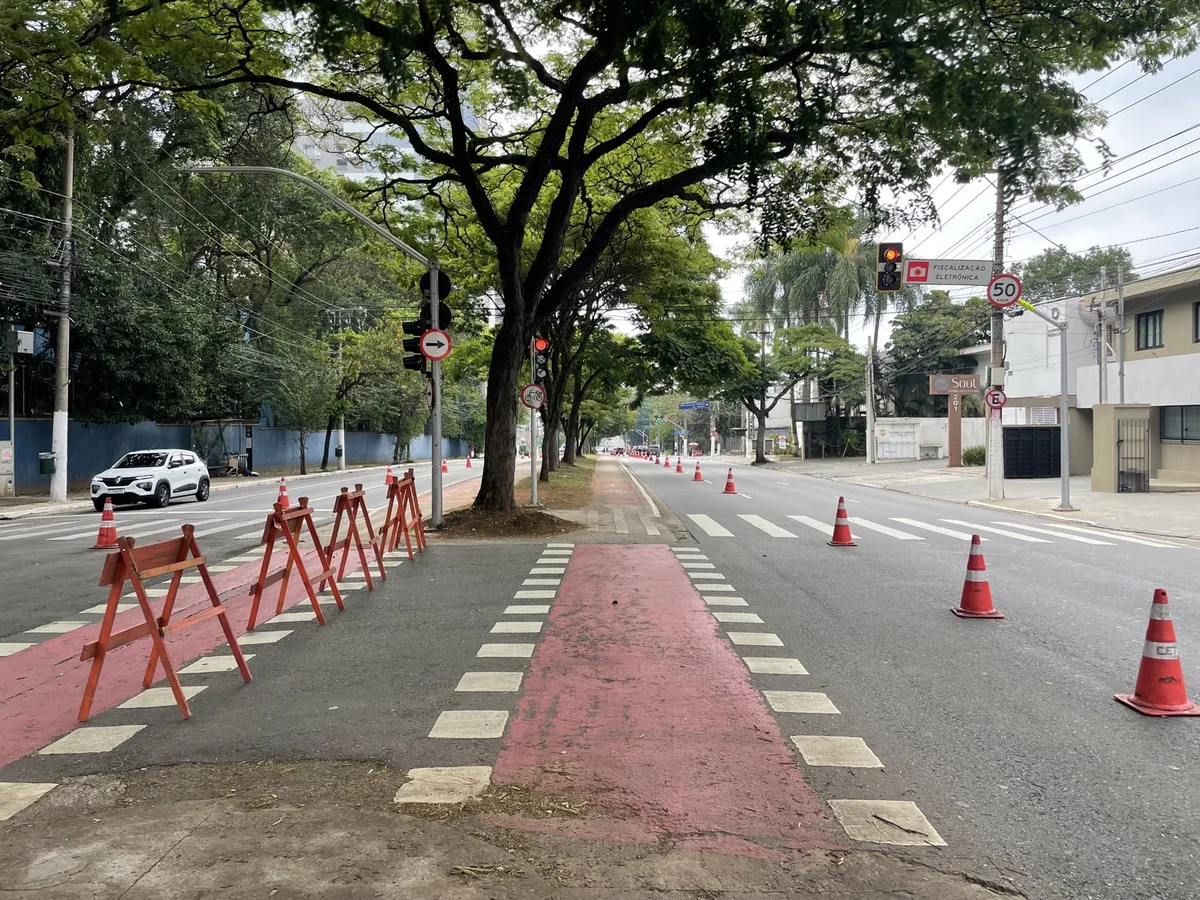
São Paulo uses a cycling lane model in the middle of streets, inverted compared to Europe. Some roads are closed on Sundays, inspired by the Bogotá Ciclovía. The city has a cycling learning park for adults and children, equipped with road signage. Few bikes are visible on the street: they are taken home in the evening for security reasons. South American and US brands dominate the market.
Key takeaway: The central lane model (in the middle of the road) is a response to the land constraints of dense metropolises. It raises safety questions different from European lateral models.
Costa Rica
Observations
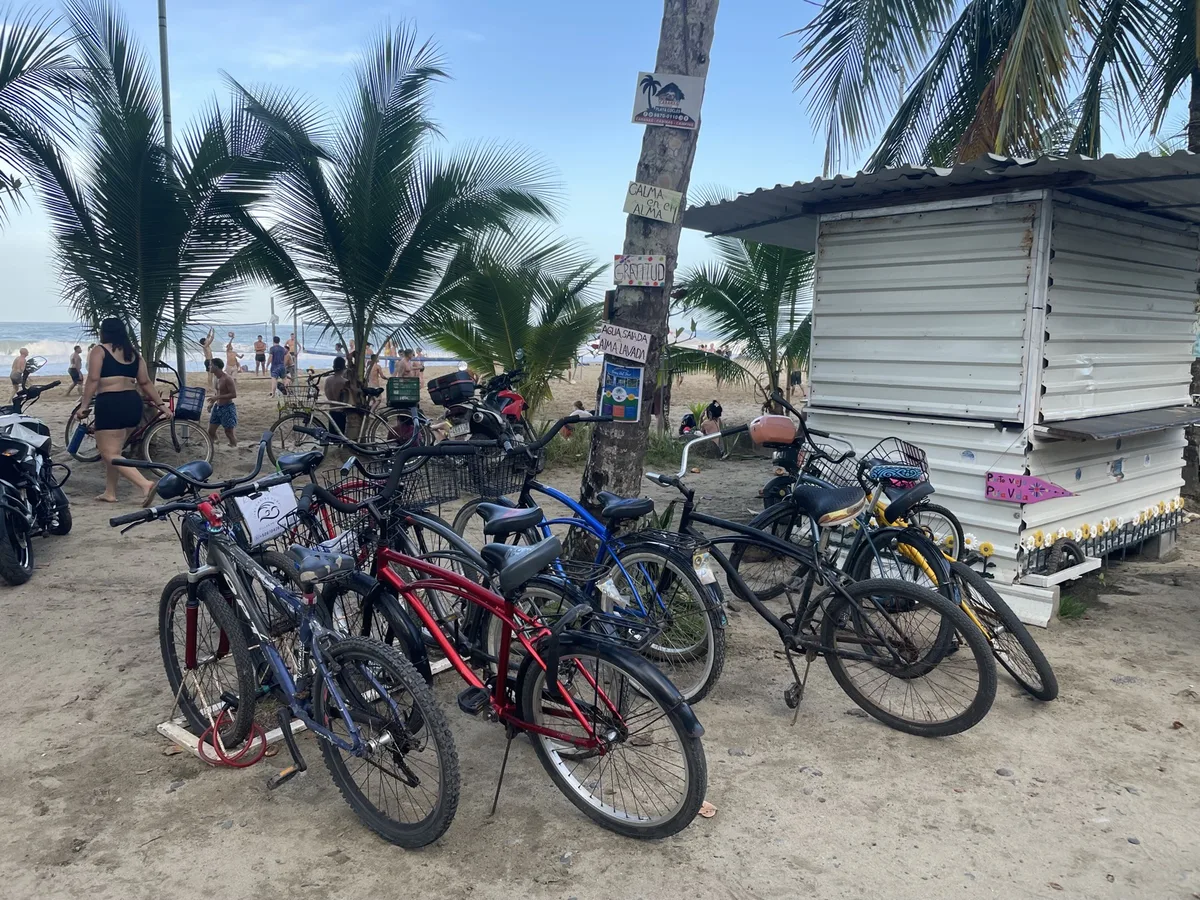
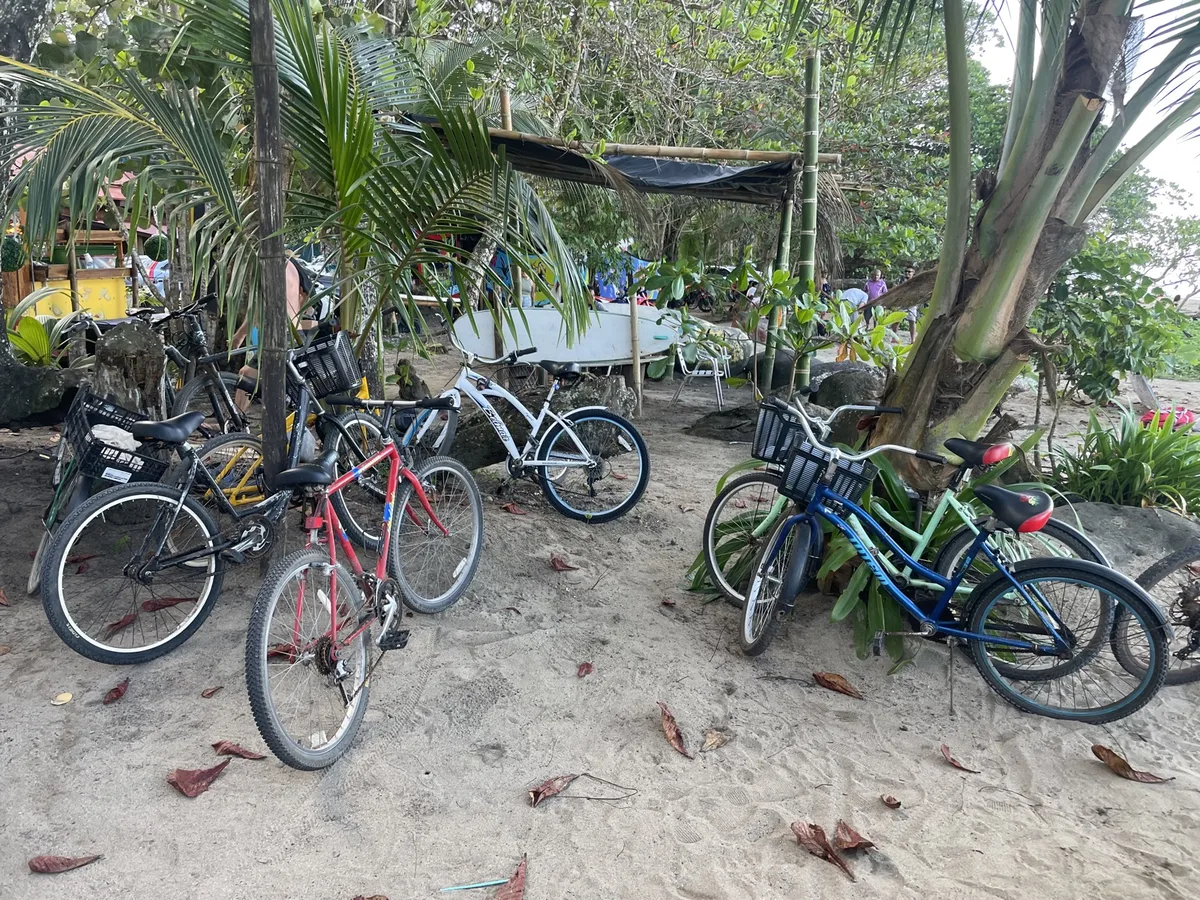
Cycling remains very limited across most of the country. Travel is mainly by car and scooter. Bikes are slightly more common on the Caribbean coast, where the natural environment favors softer modes of transport. However, several factors hinder adoption: very few cycling lanes, often heavily trafficked roads, very mountainous terrain in the center of the country, and a hot and humid climate. Some cyclists ride against traffic on highway shoulders, illustrating the lack of suitable infrastructure. Car culture remains dominant.
Key takeaway: The absence of cycling infrastructure combined with mountainous terrain and a hot climate creates a vicious circle: without infrastructure, no usage, and without usage, no demand for infrastructure.
Panama
Observations
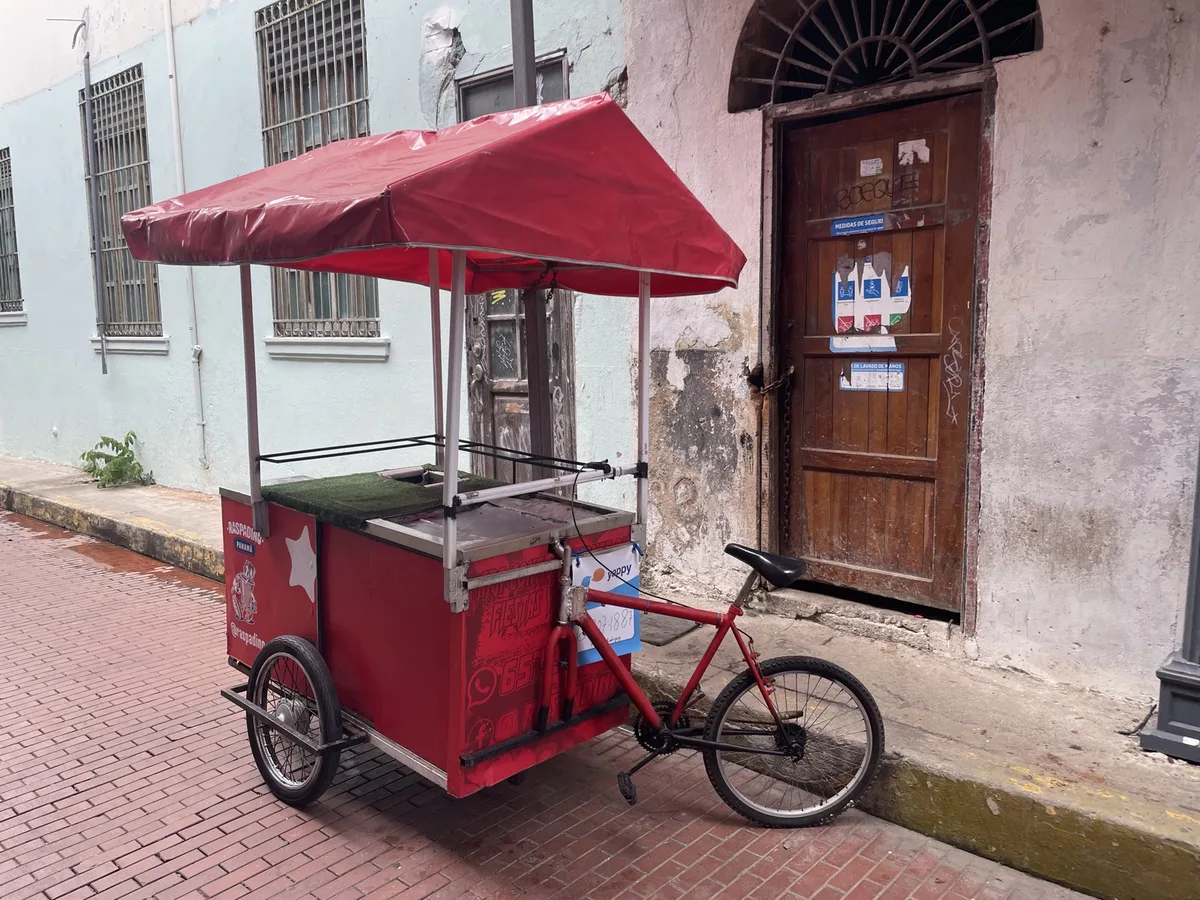
The situation is quite similar to Costa Rica. Cycling infrastructure is underdeveloped, except on certain islands and the Caribbean coast, where travel is essentially on foot or by bike in car-free zones. In Panama City, the US influence is very visible: wide avenues, large distances and heavy car dependency. A few cycling lanes exist but remain insufficient to develop a real cycling culture.
Key takeaway: The American urban model exported to Panama City (wide avenues, sprawl) reproduces the same barriers to cycling as in US cities. Car-free islands and coasts show that when you remove the car, cycling emerges naturally.
Botswana
Observations
The area visited is characterized by unpaved tracks and shops located over 2 hours away by car. The very rough terrain and intense heat make conditions unfavorable for cycling. An annual bike trip is organized (light gear, with support vehicle), but in daily use, no bikes were observed.
Key takeaway: Cycling is not universal: geography, heat and service density fundamentally condition its use. Sustainable mobility must adapt to local realities.
South Africa
Cape Town · Winelands region
Observations
Cape Town is a very sprawling city, inspired by the American model where the car dominates. Cycling lanes exist but daily use remains limited. Cycling is essentially limited to sport rides (road bikes). Heat and security concerns hinder daily adoption. Notable exception: the Paarl region (winelands) offers cycling for winery visits.
Key takeaway: The American urban model (sprawl, car dependency) exported outside the US reproduces the same barriers to daily cycling. Perceived safety is as decisive as infrastructure.
Thailand
Observations
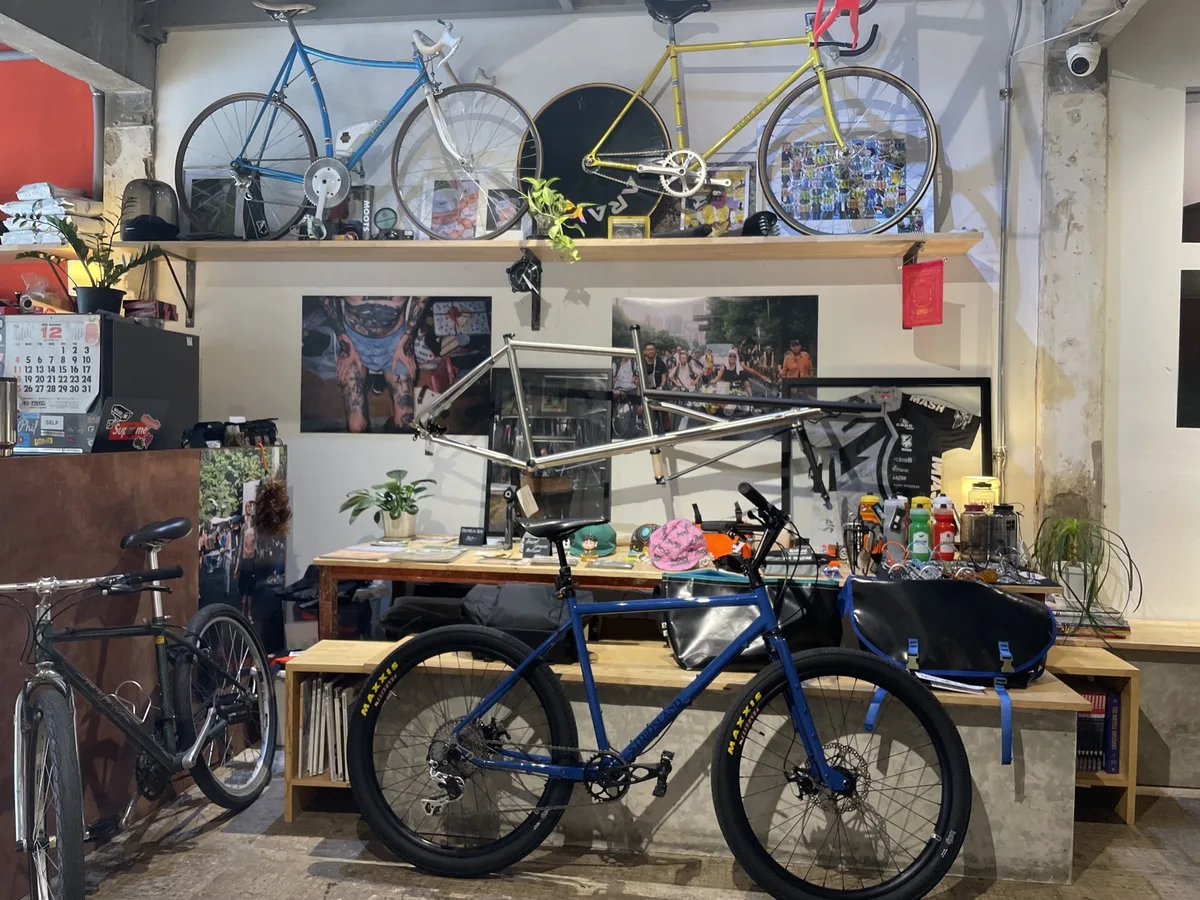
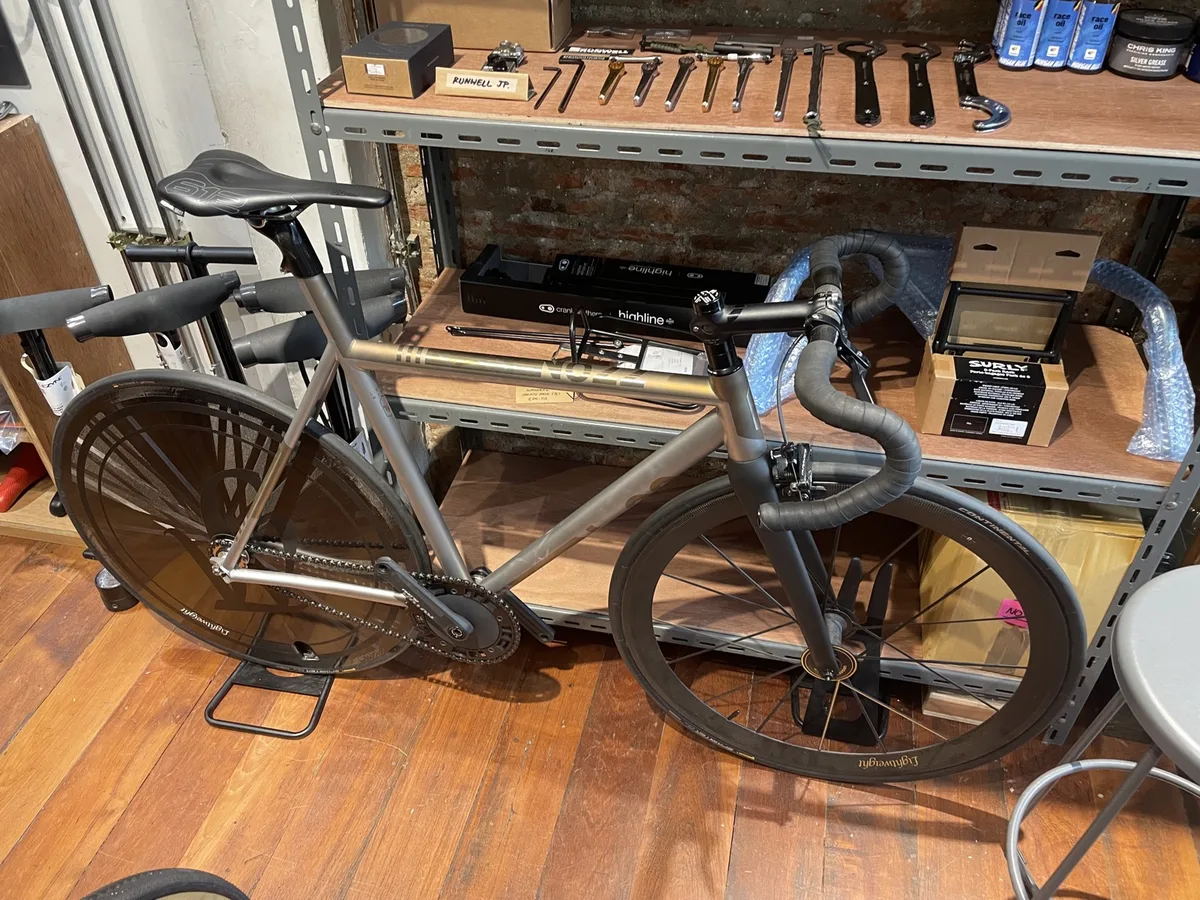
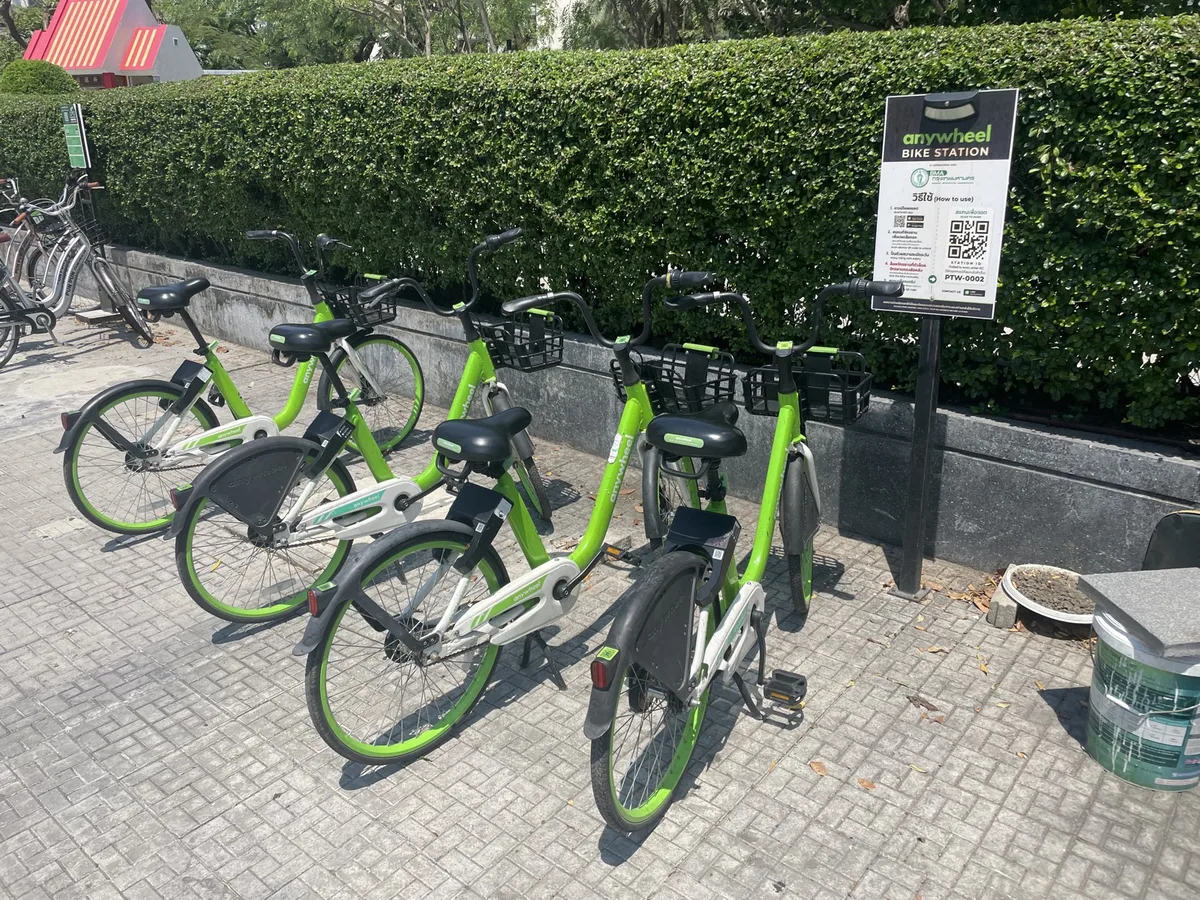
Sport cycling culture is well established in Thailand, with many cyclists practicing road cycling, particularly on the Lat Krabang circuit, which is well known among local cyclists. In daily life, travel is mainly by scooter and car, but there are some cycling lanes and bike-share stations. Cycling is often used for tourism, with many rental options for visiting historical sites. Several bike cafes organize events to bring cyclists together and sell parts from American brands like White Industries. Repair workshops are often located in the same neighborhoods and family-run. The hot and humid climate remains a barrier to daily use.
Industry
Despite numerous approaches and visits to around fifty bike shops, it was not possible to obtain contacts to visit a manufacturing facility. A large share of the global cycling industry is based in Asia, but these addresses are very difficult to find online. Factory access remains closed to outside visitors.
Key takeaway: Thailand illustrates a paradox: the country is a major player in global bicycle production, but factory access is nearly impossible for an outside observer. Sport cycling culture exists, driven by bike cafes and dedicated circuits, but daily cycling remains marginal compared to scooters.
Laos
Observations
A significant difference in standard of living compared to neighboring Thailand is immediately noticeable. Travel is mainly on foot and by shared scooter or tuk-tuk. Cycling is very rare in the country. A few tourists cross Laos or the 4,000 islands by bike on bikepacking trips, but this remains marginal. The country is less economically developed, which limits access to bicycles for the population. Cycling infrastructure is virtually nonexistent and road conditions are often poor, except around the capital and on some recently built highways.
Key takeaway: Cycling is neither economically accessible nor rooted in local culture. The level of economic development is a determining factor: without purchasing power and without infrastructure, cycling remains a tourism activity, not a mode of transport.